Digital Map Project
Digital Map Project
Americans have long seen Route 66 as a symbol of freedom, mobility, and adventure.1 The promise of the 100-year-old road is assumed to be universal. However, beneath the asphalt and neon signs runs an overlooked history of LGBTQ+ people.2 Lesbian and queer women specifically traveled the road toward cities where they could find each other. The June L. Mazer Lesbian Archives seeks to reclaim these lost spaces and narratives by digitally mapping lesbian locations, many of which have been lost over time.
We started this project by mapping lesbian and queer women’s spaces within a mile of Route 66, or Santa Monica Boulevard, in West Hollywood. As we expanded the map, we included locations in nearby Los Angeles neighborhoods, but this analysis is focused on West Hollywood. The earliest site dates to 1927, while others opened in the last few years. Some places were explicitly lesbian-centered, while others were shared with gay men, but lesbians carved out a distinct place for themselves. We discovered that along the road’s final miles, lesbians and queer women built spaces, founded organizations to empower each other, and formed lifelong communities.
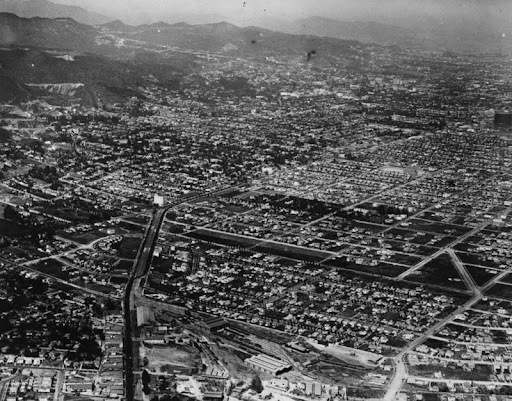
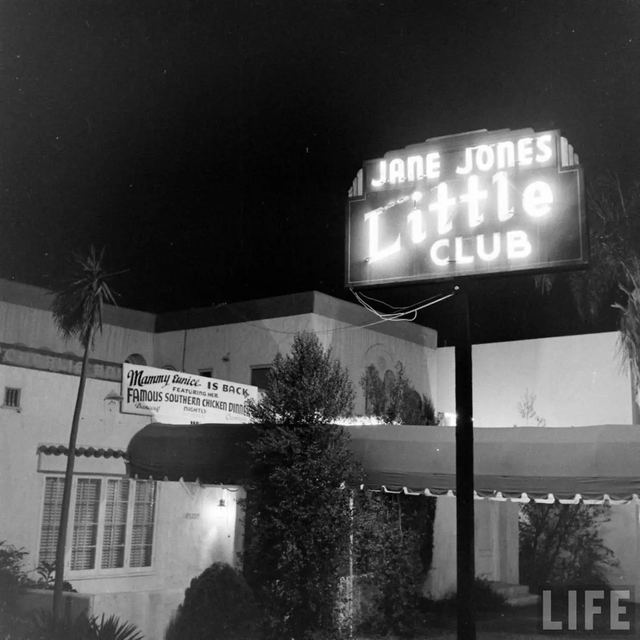
The film industry expanded into the little town of Sherman in the 1920s. Hollywood attracted misfits searching for opportunity and freedom, including gay men, lesbians, and bisexuals.3 In the early 1930s, the Pansy Craze was sweeping the country, and gay and straight Angelenos alike flocked to clubs and speakeasies featuring male and female impersonators.4 By the middle of the decade, a few upscale nightclubs in the area catered primarily to lesbians and bisexual women. On the Sunset Strip, Tess’ Café Internationale was owned by Tess and her masculine partner Sylvia. Broad-shouldered male impersonators like Tommy Williams and Jimmy Renard serenaded guests in tenor voices. Jane Jones’ Little Club was only a block away.5 Sherman emerged as a center for gay and lesbian nightlife because it was beyond the reach of the Los Angeles Police Department.6 During the Second World War, the Navy banned sailors from entering certain clubs, and some like Café Internationale lost their liquor licenses and closed.7 Final records of Tess’ second club, Café Continentale, date to 1948, and we found no other evidence of lesbian-centered spaces along Santa Monica Boulevard in West Hollywood for seventeen years.8
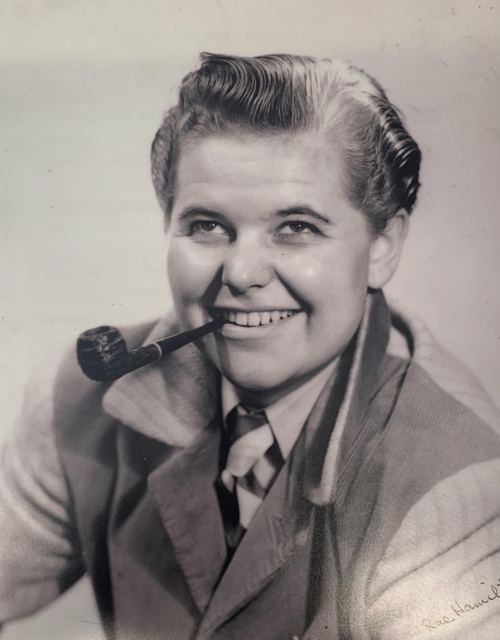
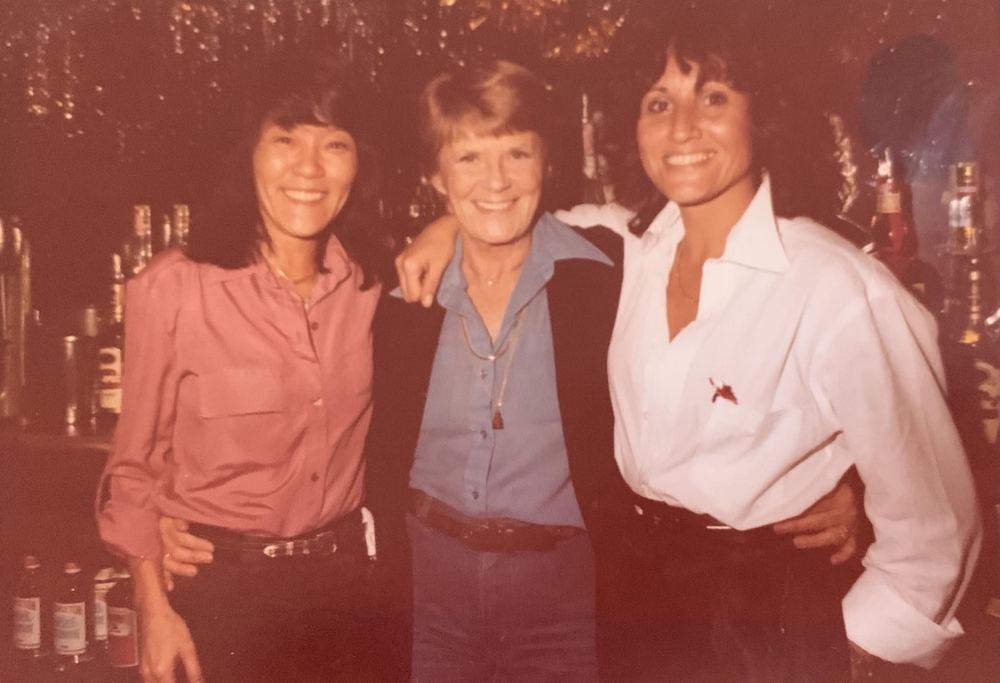
By the mid-1970s, Santa Monica Boulevard had become a thriving business district catering to the increasingly open gay and lesbian community. The French Market Place opened in 1974, and its open dining patio facilitated gay and lesbian visibility.9 A little farther west sat the Palms, one of Southern California’s longest-running lesbian bars. It was a straight dive bar when two gay bar owners purchased it, wanting to add a lesbian bar to their portfolio. Nobody came and they were on the verge of giving up until manager Norma Jasper and a realtor named DeAnn filled it with women. The women working the door turned men away. Its patrons looked like descendants of the glamorous women who visited Tess’ Café Internationale and Jane Jones’ Little Club decades earlier. Many of them worked in the film industry behind the scenes.10
Lesbians along Route 66 also began building institutions that changed how they saw themselves. Southern California Women for Understanding (SCWU) was founded in 1976, and by 1982 was recognized as the largest lesbian support group in the country. Connexxus/Centro de Mujeres operated under SCWU’s nonprofit auspices until it received its own nonprofit status in July 1985. Some women familiar with both organizations remember Connexxus as a more diverse community where members were more out of the closet than those in SCWU.11
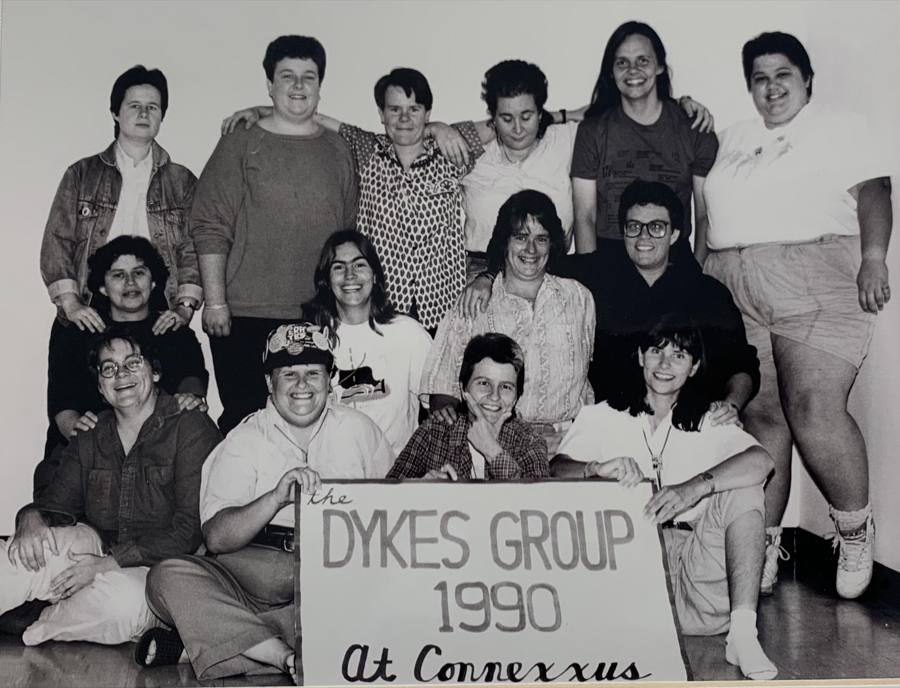
Connexxus also ran a library, and in December 1986, it adopted the West Coast Lesbian Collections. The next year the collections opened to the public as the June L. Mazer Lesbian Archives, and in 1989 moved into the Werle Building just south of Santa Monica Boulevard on Robertson. The archives was named after June Mazer, a SCWU member who helped move the collection from Oakland to Los Angeles and stewarded it in her home with her partner Bunny MacCulloch.12
Lesbians also increasingly created successful nightlife spaces inside of mainstream and gay men’s venues. British promoter Caroline Clone began hosting lesbian parties in Los Angeles in 1984 and eventually bought part of the bar and restaurant Palette on Santa Monica Boulevard in 1989.13 A year later, Studio One owner Scott Forbes invited Robin Gans and Sandy Sachs, a lesbian couple newly arrived from New York, to launch a weekly women’s night there. Their event Girlbar impacted the look and scale of lesbian nightlife. It ran for more than 20 years.14
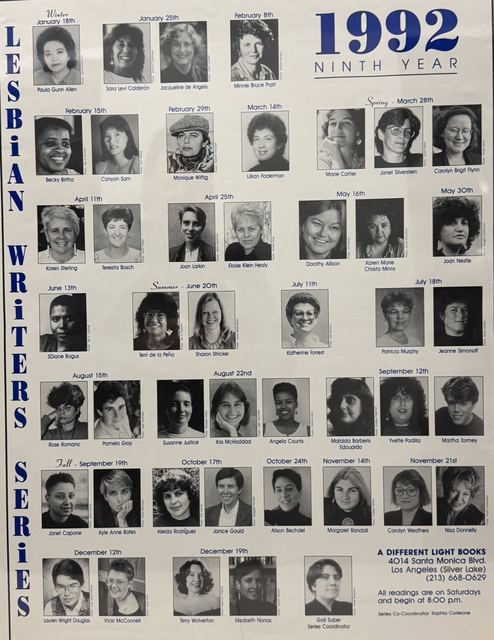
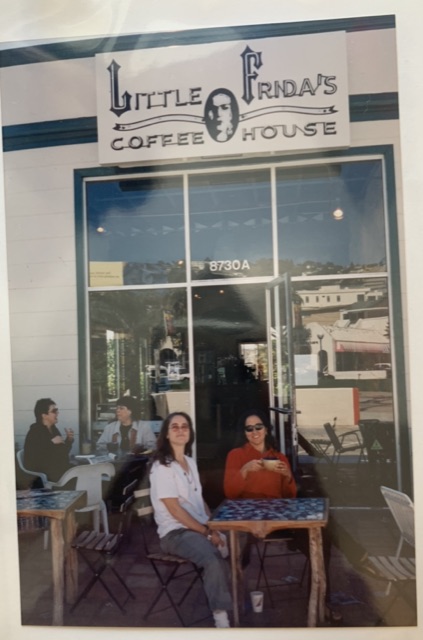
West Hollywood lesbian culture and movements also grew beyond nightlife. A Different Light Bookstore had been operating in Silver Lake since 1979, and opened a location on Santa Monica Boulevard in West Hollywood in 1990. In 1984, clerk Ann Bradley founded the groundbreaking Lesbian Writers Series, which hosted events at both locations.15 Around 1991, the lesbian coffeehouse Little Frida’s opened. It operated more like a community center than a normal coffeehouse, and hosted art exhibitions, music nights, comedy shows, and other events.16 Meanwhile, ACT UP Los Angeles met at Plummer Park. Lesbians including Mary Lucey, Nancy Jean MacNeil, and Jeri Deitrick helped lead the chapter’s organizing to fight the AIDS crisis.17
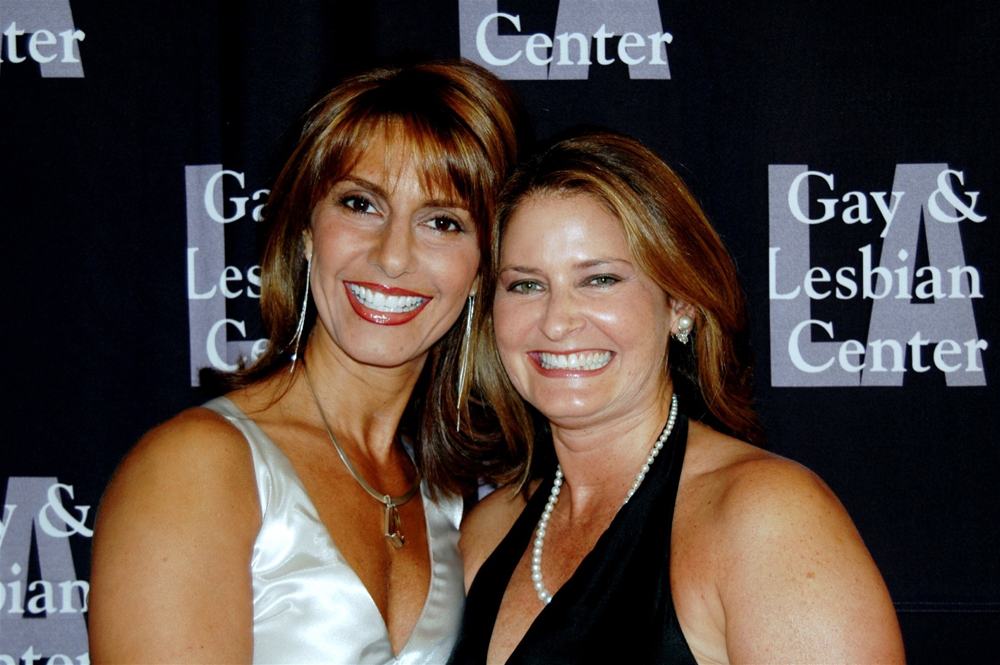
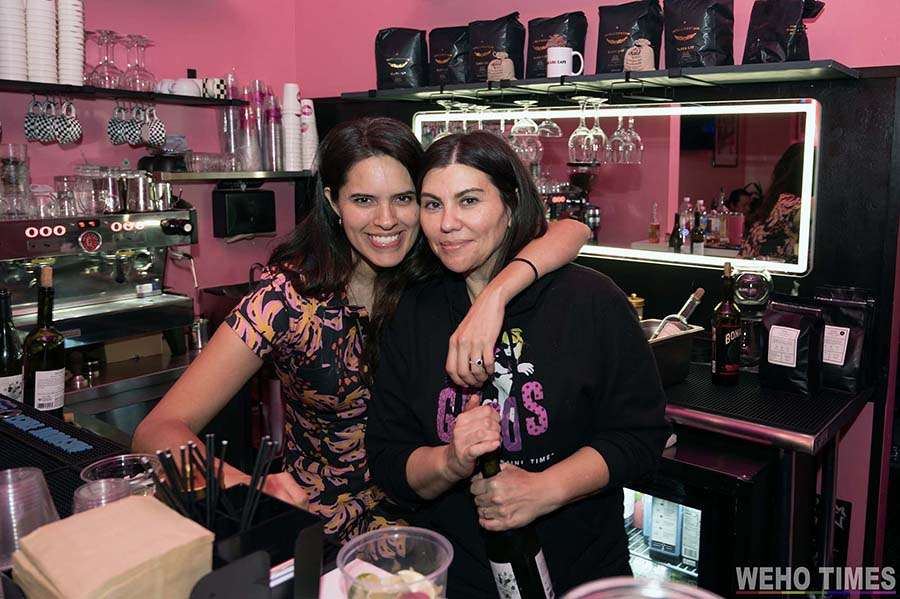
In the following decades, lesbian spaces along Route 66 in West Hollywood slowly vanished following a national trend. Between 2007 and 2019, lesbian bar listings in the Damron travel guides fell by over 51 percent. Scholars argue lesbians and queers lacked the money and power to secure permanent spaces, and thus created temporary spaces visible only to those who knew where to look.18 The Palms closed in 2013 and the French Market in 2015. However, lesbians and queer women continue to strive to create their own spaces. Betsy Martinez and Cynthia Temblador opened Fan Girl Cafe in November 2023 to highlight women musicians, and Berni Gambino opened Sweetwater during Pride in 2026, the latest in a long legacy of lesbians claiming spaces.19
West Hollywood only tells one part of the story of Angeleno lesbians and queer women. We will expand this analysis across the neighborhoods on our map, including East Hollywood and Silver Lake. In 1932, police raided the lesbian-owned Big House on Hollywood Boulevard. Patrons fought back.20 By the middle of the decade, lesbian clubs had opened farther west in Sherman, beyond the reach of the LAPD.21 Silver Lake had a gay community for decades, and was the site of one of the first protests against police raids of gay bars at the Black Cat Tavern.22 The neighborhood gentrified in the 1970s as realtors began marketing it specifically to the LGBT community. Community members created the Sunset Junction Street Fair as a way to unite longtime Latino neighborhood residents and newer LGBT neighbors.23 Neighborhood bars served Latina lesbians across the city, such as at the Plush Pony in El Sereno.24 We will discuss these stories in more detail in an updated version of this essay.
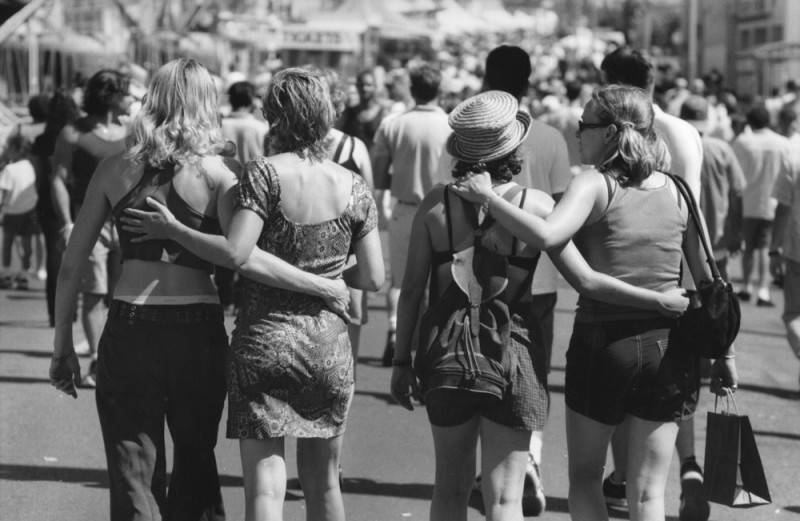
Most of the buildings are gone. However, the records documenting them survive. Some are held at archives and libraries, others in the personal collections of lesbians who lived this history. These records make it possible to retrace our steps and put these spaces back on Route 66.
